Is BMET A Good Career In Today’s Job Market?
As healthcare systems become increasingly dependent on advanced technology, many people are asking: Is BMET a good career in today’s job market? Biomedical Equipment Technicians (BMETs) play a vital role in ensuring that medical devices function safely and effectively.
From maintaining life-saving machines to supporting hospital operations, this career path combines technical expertise with meaningful impact. With growing demand for skilled professionals and evolving healthcare technologies, BMET is becoming an increasingly attractive option for those interested in both healthcare and technology.
Growing Demand in the Healthcare Industry
The demand for BMETs continues to rise as hospitals, clinics, and laboratories rely more heavily on sophisticated medical equipment. Devices such as patient monitors, imaging systems, and surgical tools require regular maintenance and calibration.
This demand translates into strong job stability and opportunities across various healthcare settings. Graduates from specialized programs, such as those offered by the College of Biomedical Equipment Technology (CBET), are well-positioned to enter this expanding field with relevant, job-ready skills.

Competitive Salary and Career Stability
Another reason people ask “Is BMET a good career?” is the financial and long-term stability it offers. BMETs typically earn competitive salaries, with opportunities for advancement into senior technical roles, management, or specialized areas like imaging or cybersecurity. Earning a BMET certificate from a reputable institution like CBET can open doors to a rewarding career in biomedical equipment technology.
Because healthcare is an essential industry, careers within it tend to be more resilient during economic fluctuations. This stability makes BMET an appealing option for individuals seeking a reliable and rewarding profession. With the right education and certifications, professionals can build long-term careers with strong earning potential.
Opportunities for Specialization and Growth
BMET is not a one-dimensional career. Technicians can specialize in areas such as medical device integration, or equipment cybersecurity. These specializations allow professionals to expand their expertise and increase their value in the job market.
Educational institutions like CBET offer training pathways that align with these specialized fields, helping students develop targeted skills that match industry demands. This flexibility enables BMETs to adapt to emerging technologies and continue growing throughout their careers.
Hands-On Work with Real-World Impact
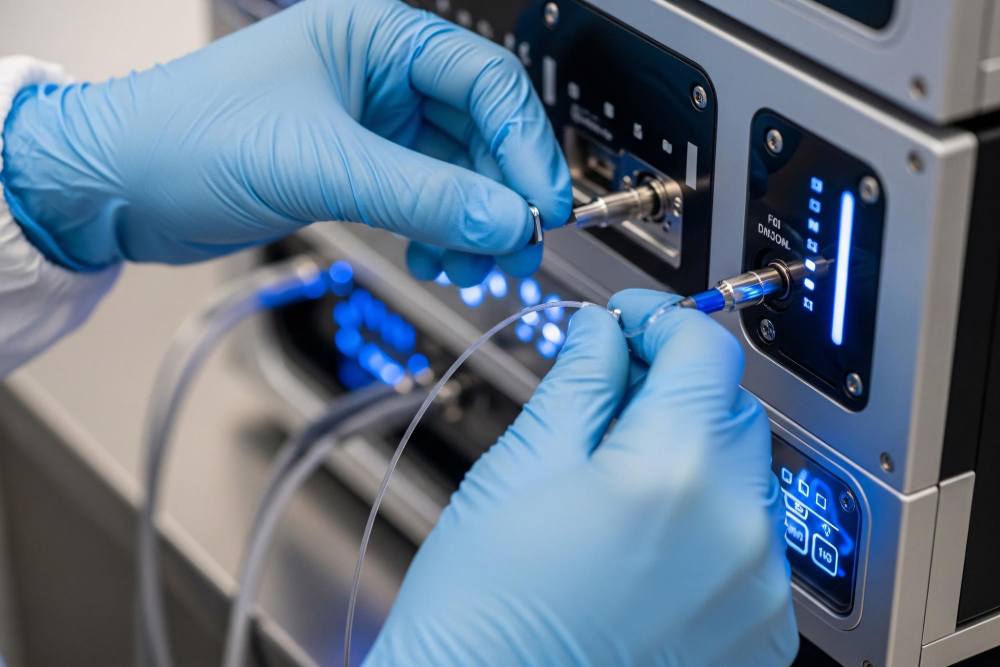
One of the most rewarding aspects of being a BMET is the opportunity to work directly with equipment that impacts patient care. Unlike purely theoretical roles, this career involves hands-on problem-solving and technical work in real healthcare environments.
BMETs ensure that critical devices are functioning correctly, which can directly affect patient outcomes. This sense of responsibility and purpose adds a meaningful dimension to the career. CBET’s applied training approach helps students gain practical experience, preparing them to confidently handle real-world challenges from day one.
Accessible Entry Through Focused Education
For those considering a career change or entering the workforce, BMET offers a relatively accessible pathway compared to many other healthcare professions.
So, is BMET a good career in today’s job market? The answer is a strong yes for those interested in technology, healthcare, and hands-on problem-solving. With growing demand, competitive salaries, opportunities for specialization, and a meaningful impact on patient care, BMET stands out as a practical and rewarding career choice.
If you’re ready to explore this path and gain the skills needed to succeed, consider the programs offered by the College of Biomedical Equipment Technology (CBET) and take the first step toward a future in healthcare technology!
Costs and Options:
Radiological Safety: $99.00
2-4 hours, 14 days to complete
Credential:
Certificate of training