Create a Structured Study Plan
Time management is essential when balancing coursework, labs, and possibly work commitments. Develop a weekly study schedule that allocates time for each subject, review sessions, and hands-on practice. Break larger topics into manageable sections to avoid feeling overwhelmed.
Efficient students often use techniques like time blocking or the Pomodoro method to maintain focus. CBET’s flexible online learning environment makes it easier to build a personalized study routine, allowing students to study at their own pace while staying consistent.
Use Hands-On Learning to Reinforce Knowledge
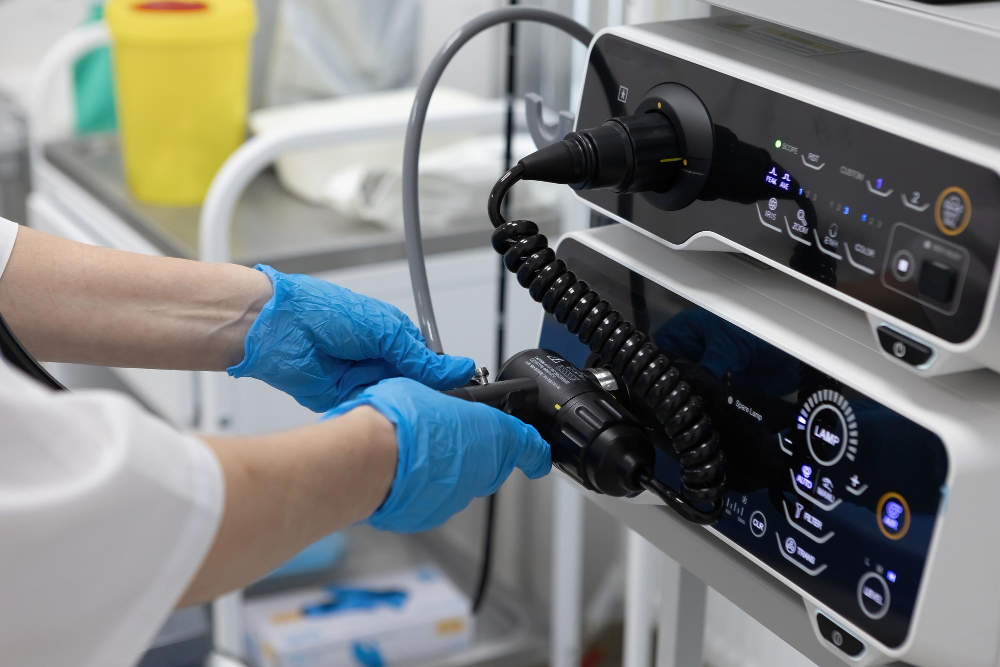
Biomedical equipment technology is not purely theoretical. To truly understand the material, you need to apply what you learn. Practice working with equipment, simulations, or case studies whenever possible.
Hands-on experience helps bridge the gap between textbook knowledge and real-world application. CBET’s emphasis on applied instruction gives students opportunities to engage with industry-relevant tools and scenarios, reinforcing their understanding and boosting confidence.
Leverage Technology and Study Resources
Take advantage of digital tools, online modules, and learning platforms to enhance your study process. Videos, virtual labs, and interactive quizzes can make complex topics easier to grasp.
Additionally, reviewing CBET course catalogs and materials provided by your institution can help you stay aligned with learning objectives. CBET provides structured resources and learning technologies that support students throughout their academic journey, making it easier to stay organized and focused.
Collaborate and Seek Support
Studying doesn’t have to be a solo effort. Join study groups, participate in discussion forums, and connect with classmates to exchange ideas and clarify difficult topics. Teaching others is also a powerful way to reinforce your own understanding.
CBET fosters a supportive learning community where students can collaborate and seek guidance from experienced instructors. Taking advantage of mentorship and career services can also provide valuable insights into how your studies translate into real-world careers.
Prioritize Consistency and Well-Being
Consistency is key when learning complex material. Instead of cramming, aim for regular study sessions that build knowledge over time. At the same time, don’t neglect your physical and mental well-being. Adequate sleep, proper nutrition, and regular breaks can significantly improve focus and retention.
Balancing academic demands with self-care ensures sustainable progress. CBET’s student-centered approach encourages learners to develop habits that support both academic success and long-term career growth.
Studying efficiently as a medical equipment technology student requires a combination of discipline, strategy, and practical application. By understanding how to study as a medical student, creating structured plans, engaging in hands-on learning, and leveraging available resources, you can maximize your academic performance and prepare for a successful career in healthcare technology.