(210) 233-1102

How To Become A BMET: Education Requirements

For those interested in combining healthcare and technology, many ask how to become a BMET. A Biomedical Equipment Technician (BMET) is responsible for maintaining, repairing, and ensuring the proper functioning of medical devices used in hospitals, clinics, and other healthcare settings. With the growing complexity of medical technology, obtaining the right education and training is crucial for launching a successful career. Institutions like the College of Biomedical Equipment Technology (CBET) offer programs designed to prepare students for the technical and practical challenges of this field, helping them meet industry standards and advance professionally.

Understanding the Role of a BMET

Before exploring educational requirements, it’s important to understand what a BMET does. BMETs work with a wide range of devices, including patient monitors, infusion pumps, imaging systems, and laboratory instruments. They ensure these devices function accurately and safely, which directly impacts patient care.

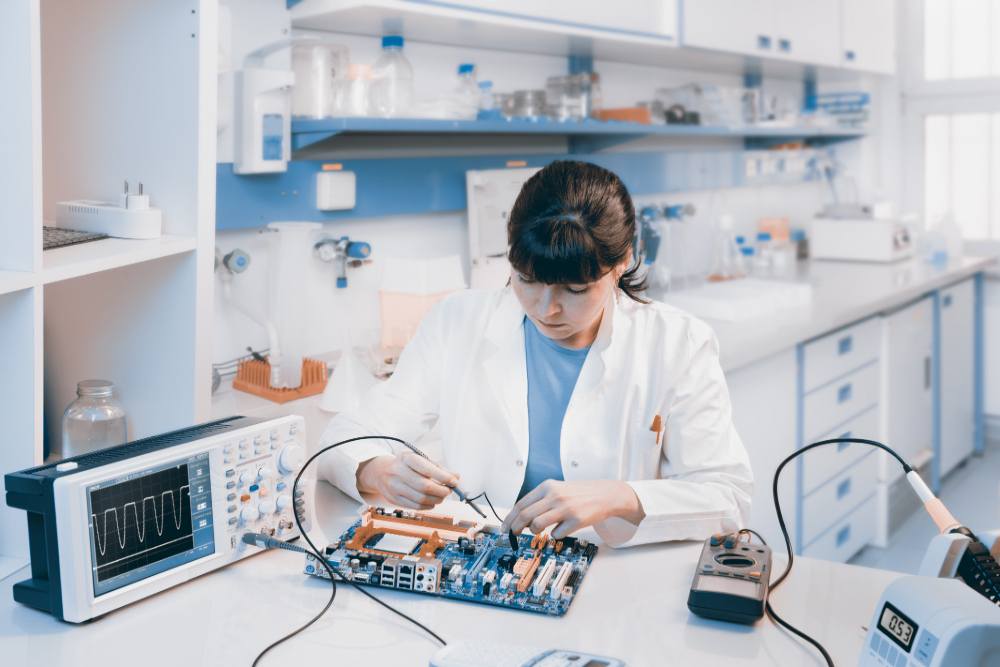
Understanding the responsibilities of a BMET helps students select the appropriate educational path. CBET emphasizes applied learning, allowing students to gain hands-on experience with the types of equipment they will encounter in professional settings, bridging the gap between classroom theory and real-world practice.

How To Become A BMET: Education Requirements

High School and Pre-College Preparation

The first step in learning how to become a BMET is establishing a strong foundation in high school or pre-college courses. Subjects like mathematics, physics, biology, and computer science provide essential knowledge for future BMET studies. Courses in electronics or technical education can also be beneficial.

CBET advises prospective students to build strong problem-solving and analytical skills early on. A solid pre-college preparation ensures students are ready to grasp complex technical concepts and succeed in certificate or associate degree programs in biomedical equipment technology.

Certificate Programs

Certificate programs are one of the most common educational paths for those learning how to become a BMET. These programs focus on core technical skills, such as troubleshooting medical equipment, understanding safety protocols, and performing routine maintenance.

CBET offers a comprehensive BMET certificate program designed to provide practical knowledge and hands-on training. Students learn to work with real medical devices in a controlled environment, preparing them to step confidently into entry-level positions upon completion. Certificates are often shorter in duration than degree programs, allowing students to enter the workforce more quickly.

Associate Degree Programs

For those seeking more in-depth education, associate degree programs provide a broader and more detailed curriculum. These programs typically include additional coursework in advanced electronics, medical instrumentation, healthcare regulations, and equipment integration.

CBET’s Associate of Applied Science Degree in Biomedical Equipment Technology combines classroom instruction with applied labs. This program equips students with both technical knowledge and professional skills, making them competitive candidates for higher-level positions and future career advancement opportunities.

Continuing Education and Professional Development

Becoming a BMET does not end with a certificate or degree. Continuous learning is essential to keep pace with evolving medical technologies. Workshops, professional certifications, and specialized courses allow BMETs to enhance their expertise and advance in their careers.

CBET supports lifelong learning through ongoing training programs and career services. Students and graduates can access resources that help them stay current with industry standards, maintain technical competencies, and pursue specialized roles in areas like imaging, dental equipment repair, or healthcare technology integration.

Take the first step toward a career in biomedical equipment technology by exploring CBET’s programs and start building the skills needed for a successful BMET career today.

Costs and Options:

Radiological Safety: $99.00
2-4 hours, 14 days to complete

Credential:

Certificate of training