Technical Skill Development
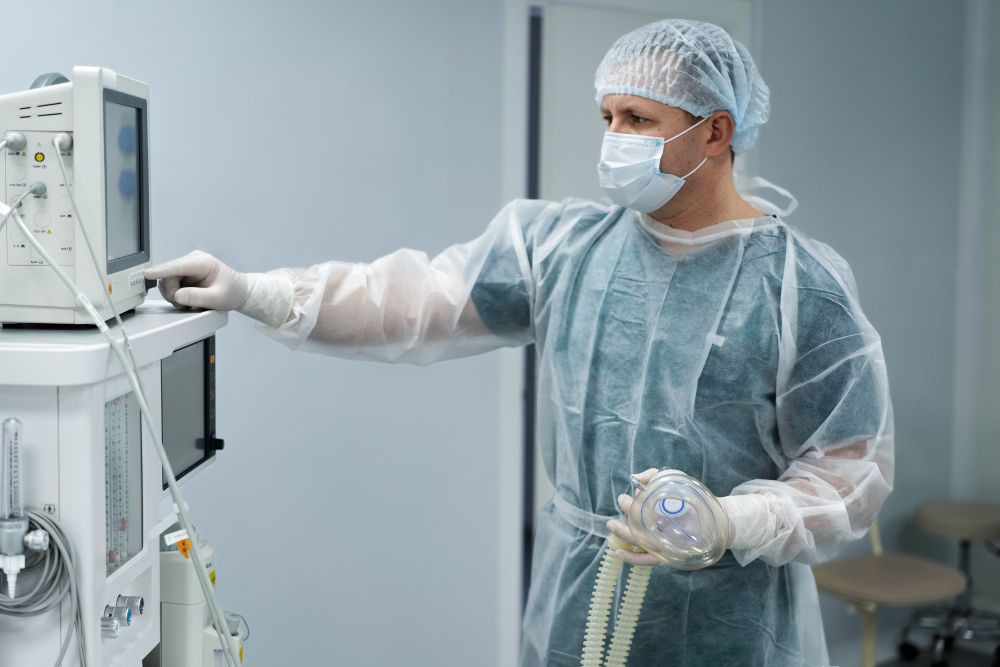
As a Biomedical Equipment Technician advances in his career, technical expertise becomes increasingly important. Professionals must be able to troubleshoot, repair, and maintain a wide range of medical devices, from basic patient monitors to complex imaging systems. This also includes understanding software systems, networking components, and device integration within hospital infrastructures.
Developing these skills requires continuous learning and practical experience. CBET emphasizes applied instruction, allowing students to work with real-world scenarios and equipment. Students also learn systematic troubleshooting techniques, preventive maintenance procedures, and diagnostic testing methods. This approach ensures that graduates are not only knowledgeable but also capable of handling the technical challenges they will face in healthcare environments while minimizing equipment downtime and ensuring patient safety.
Credentials
Earning professional certifications is another key component of BMET requirements for career advancement. Certifications demonstrate a technician’s competence, commitment, and expertise in the field. They can also improve job prospects and earning potential.
Programs at CBET prepare students for industry-recognized certifications, such as the Certified Healthcare Operations Professional-Basic (CHOP-B). These credentials can help professionals stand out in a competitive job market and open doors to more advanced roles. Earning a BMET certificate is a key step toward building a strong foundation in biomedical equipment technology.
Gaining Hands-On Experience
Experience is critical for career growth in biomedical equipment technology. Employers often look for candidates who have practical, hands-on experience working with medical devices in real healthcare settings.
Internships, apprenticeships, and entry-level roles provide valuable opportunities to build this experience. CBET supports students through practical training and career services, helping them gain the experience needed to advance in their careers. Over time, this experience allows BMETs to take on more complex responsibilities and leadership roles.
Specialization Opportunities
As BMETs gain experience, many choose to specialize in specific areas such as imaging equipment, medical device integration, or healthcare cybersecurity. Specialization can lead to higher salaries, increased job security, and more advanced career opportunities.
CBET offers programs and training pathways that align with these specialized fields, helping students develop targeted skills. By pursuing specialization, BMETs can position themselves as experts in high-demand areas of healthcare technology.
Soft Skills and Professional Growth
In addition to technical expertise, soft skills are an important part of BMET requirements. Communication, teamwork, problem-solving, and attention to detail are essential for working effectively in healthcare environments.
BMETs often collaborate with doctors, nurses, and other healthcare professionals, so the ability to communicate technical information clearly is crucial. CBET incorporates professional development into its programs, helping students build the interpersonal skills needed for long-term success.