Infusion Pumps
Infusion pumps are used to deliver fluids, medications, and nutrients into a patient’s body in controlled amounts. These devices are widely used in hospitals, nursing homes, and even home care settings. Modern infusion pumps often include programmable features, alarms, and safety mechanisms that help prevent dosing errors and ensure consistent delivery over time.
Accuracy is critical when it comes to infusion pumps, as incorrect dosages can have serious consequences. Biomedical professionals are responsible for maintaining these devices and ensuring their precision. This includes testing flow rates, verifying alarm systems, and ensuring compliance with safety standards. CBET’s hands-on training approach helps students understand the mechanics and safety requirements of infusion systems, preparing them to manage increasingly sophisticated devices used in patient care.
Defibrillators
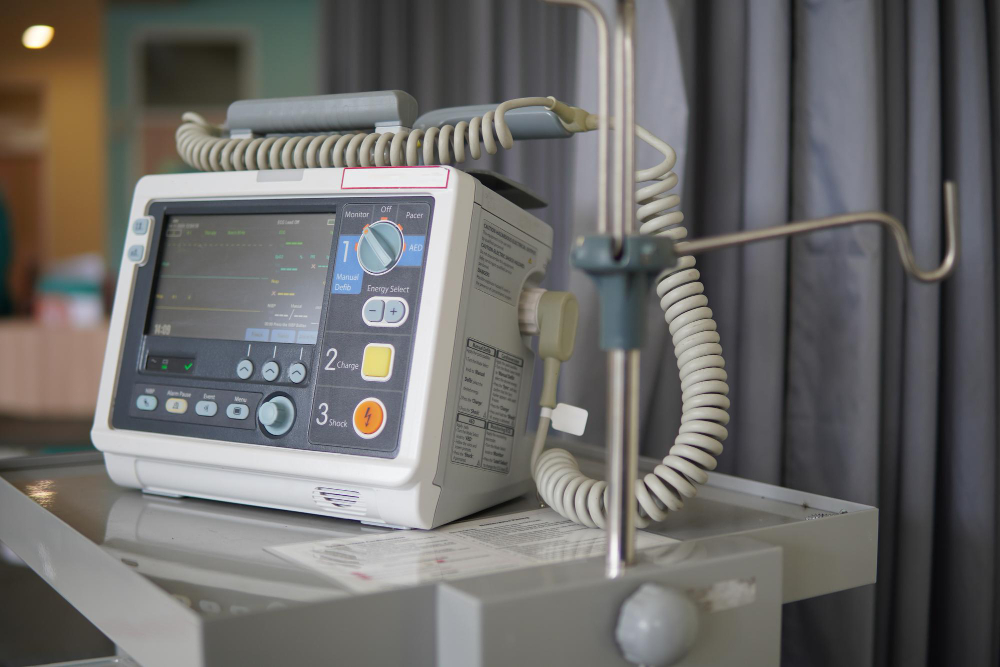
Defibrillators are life-saving devices designed to restore normal heart rhythm during cardiac emergencies. They deliver an electric shock to the heart when a patient experiences life-threatening arrhythmias such as ventricular fibrillation. Quick access to a functioning defibrillator can significantly increase survival rates, making its reliability critical.
These devices are commonly found in hospitals, ambulances, and public spaces. Regular maintenance and testing are essential to ensure reliability during emergencies. Biomedical technicians must routinely inspect battery life, electrode functionality, and energy output levels. CBET equips students with the skills needed to inspect and maintain defibrillators, ensuring they are always ready for use and compliant with healthcare safety standards.
MRI Machines
Magnetic Resonance Imaging (MRI) machines are advanced diagnostic devices used to produce detailed images of the body’s internal structures. They are particularly useful for diagnosing conditions affecting soft tissues, such as the brain, muscles, and organs. Unlike X-rays or CT scans, MRI technology does not use ionizing radiation, making it a safer option for certain patients.
MRI systems are complex and require specialized knowledge to maintain. Biomedical technicians must understand magnetic fields, cooling systems, and software integration to keep these machines functioning properly. Routine maintenance, calibration, and safety checks are essential to prevent costly downtime.
Ventilators
Ventilators are critical devices that assist or replace a patient’s breathing when they are unable to do so on their own. These machines became especially prominent during global health crises, highlighting their importance in intensive care units. They are used in a variety of settings, from emergency rooms to long-term care facilities, and can be adjusted to deliver precise oxygen levels and breathing patterns based on patient needs.
Proper functioning of ventilators is vital for patient survival. Biomedical professionals ensure these devices are correctly calibrated and maintained. This includes checking airflow accuracy, alarm systems, and sensor performance, as well as performing regular preventative maintenance. CBET’s curriculum emphasizes real-world applications, preparing students to handle such critical equipment with confidence and respond effectively in high-stakes healthcare environments.
Ultrasound Machines
Ultrasound machines use sound waves to create images of the inside of the body. They are commonly used in prenatal care, as well as for diagnosing conditions related to organs, tissues, and blood flow. Because they provide real-time imaging, ultrasound systems are especially valuable for guiding procedures and monitoring ongoing conditions without exposing patients to radiation.
These devices are non-invasive and widely used across healthcare settings. Biomedical technicians ensure their accuracy and reliability by maintaining transducers, calibrating imaging settings, and troubleshooting software issues. As technology advances, many ultrasound systems now include 3D and Doppler imaging capabilities.
Electrocardiogram (ECG) Machines
ECG machines record the electrical activity of the heart and are essential for diagnosing heart conditions. They are commonly used in routine checkups, emergency care, and long-term monitoring of cardiac patients. These devices help detect abnormalities such as arrhythmias, heart attacks, and other cardiovascular issues, making them a cornerstone of cardiac care.
Maintaining ECG machines requires attention to detail and technical knowledge. Biomedical equipment technicians ensure these devices produce accurate readings by checking lead connections, signal quality, and calibration. They also verify that software systems correctly record and store patient data.