(210) 233-1102

Understanding Biomedical Imaging In Diagnostic Healthcare

Up to 14 days, 100% Online

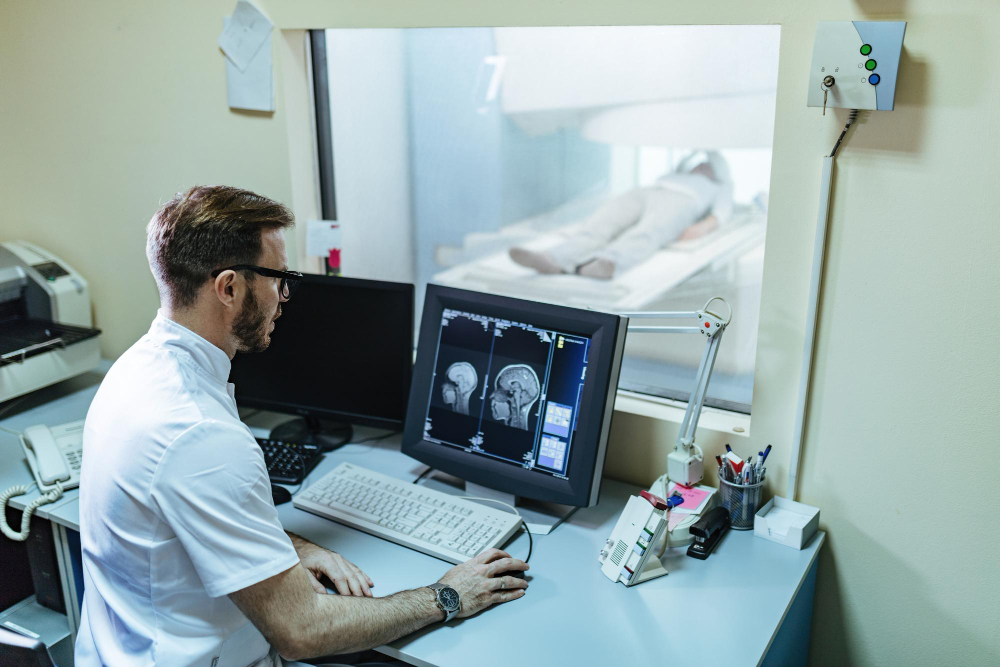
Modern diagnostic medicine relies heavily on biomedical imaging to visualize internal anatomy and evaluate physiological function. These technologies allow clinicians to observe structures and detect abnormalities without invasive procedures. From emergency departments to specialized oncology units, imaging systems support informed medical decisions. Accurate image acquisition and interpretation contribute to patient safety and treatment planning. A clear understanding of biomedical imaging helps you recognize how technology and clinical practice intersect in diagnostic healthcare.

Core Biomedical Imaging Modalities Used in Diagnosis

Across healthcare facilities, several imaging technologies form the backbone of diagnostic evaluation. X-ray systems generate two-dimensional representations that highlight dense anatomical structures such as bone. Computed Tomography combines multiple X-ray projections to produce detailed cross-sectional images of internal organs and tissues. Magnetic Resonance Imaging uses magnetic fields and radiofrequency energy to produce high-contrast images of soft tissues. Ultrasound and nuclear medicine techniques add further diagnostic capability, with ultrasound producing real-time images and PET scans revealing metabolic activity within the body.

Understanding Biomedical Imaging In Diagnostic Healthcare

How Imaging Supports Clinical Decision Making

Clinical decisions frequently depend on accurate visualization of internal structures and physiological changes. Diagnostic images help physicians confirm fractures, detect tumors, identify internal bleeding, and assess organ function. In emergency care, rapid imaging results guide surgical preparation and immediate intervention strategies. During treatment, follow-up scans provide measurable data that track therapeutic response and disease progression. Real-time imaging also supports minimally invasive procedures, where precise visualization enhances procedural accuracy and patient safety.

Imaging Workflow, Data Systems, and Quality Standards

Behind each diagnostic image lies a coordinated workflow that integrates technology, data management, and regulatory oversight. Proper patient positioning and calibrated equipment settings begin the acquisition process. Image data then transfers through standardized DICOM protocols into Picture Archiving and Communication Systems for storage and clinical review. Radiology Information Systems support scheduling, reporting, and documentation across departments. Each step requires accuracy to maintain image integrity and support timely medical decisions.

Network connectivity and cybersecurity controls are playing an increasingly important role as imaging systems integrate with hospital information infrastructure. Protection of patient data and system access requires controlled permissions and secure data transmission standards. Routine calibration, scheduled inspections, and documented compliance audits help maintain performance consistency. Equipment uptime directly affects patient scheduling and clinical efficiency within busy healthcare facilities. Trained technical professionals monitor these elements to maintain reliability across imaging operations.

Turn Imaging Knowledge into a Professional Career Path

A technical understanding of imaging systems, data integration, and regulatory standards provides the foundation for effective support in diagnostic healthcare environments. The concepts discussed throughout this article reflect the real responsibilities associated with maintaining and optimizing complex imaging equipment. At the College of Biomedical Equipment Technology, we offer structured pathways, including our Associate of Applied Science Degree in Biomedical Equipment Technology, which provides focused exposure to imaging systems and medical device integration. We also offer Biomedical Equipment Support Specialist training and customized education solutions for healthcare organizations seeking advanced technical development. Through industry-aligned instruction and hands-on preparation, we help you translate imaging knowledge into practical career-readiness in Healthcare Technology Management.

Explore our Biomedical Equipment Technology programs to take the next step in your professional development. Connect with us at admissions@cbet.edu to discuss which pathway aligns with your goals.

Costs and Options:

Radiological Safety: $99.00
2-4 hours, 14 days to complete

Credential:

Certificate of training